Both modular and timber panel homes are largely made at a factory, but what arrives on your plot is very different. A modular home comes almost finished. A panel home arrives as separate elements that are assembled on site. Think delivered furniture versus a rather large construction kit, with heavier instructions and no spare pieces you can quietly hide under the rug.
What arrives on your plot
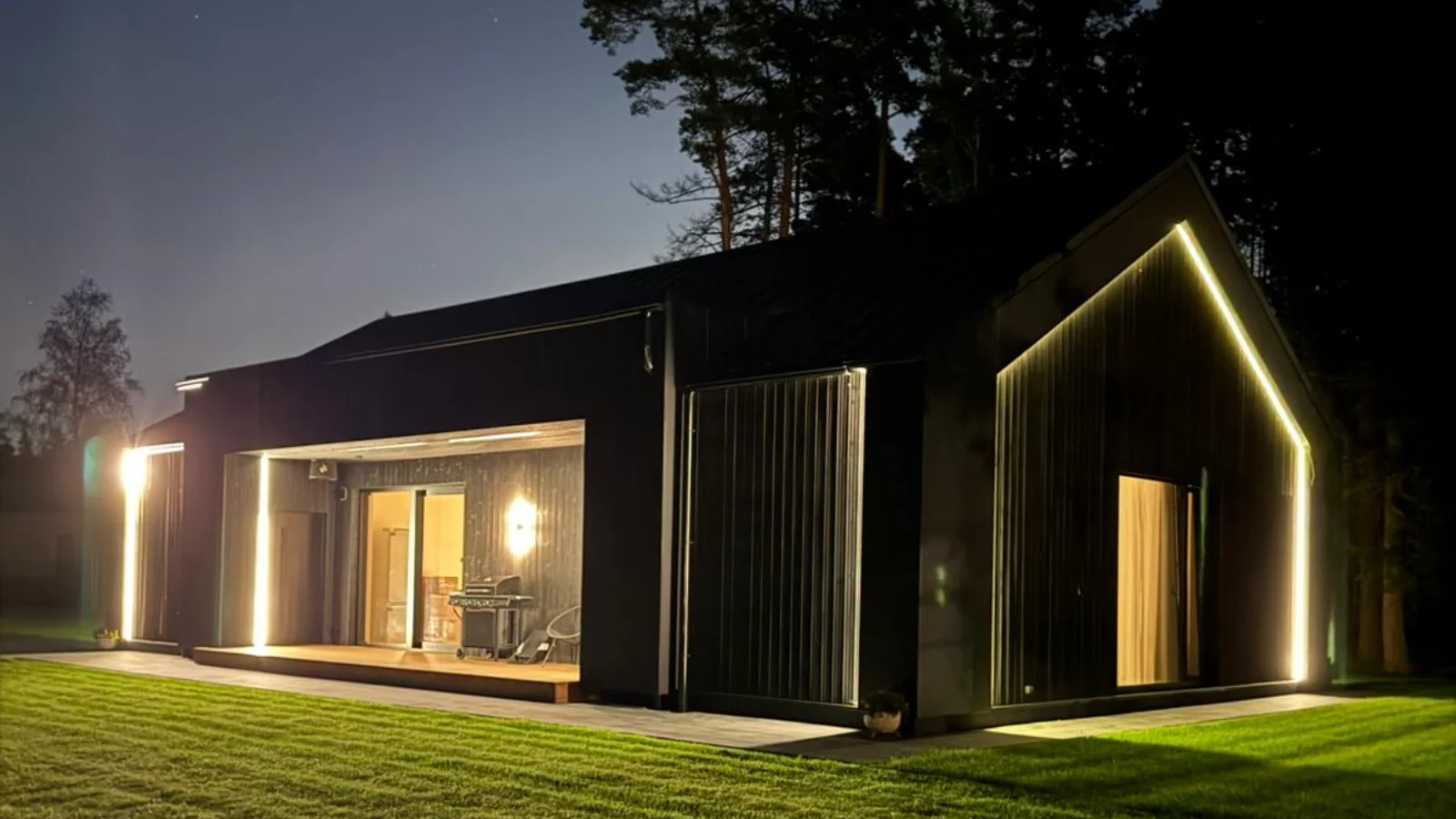
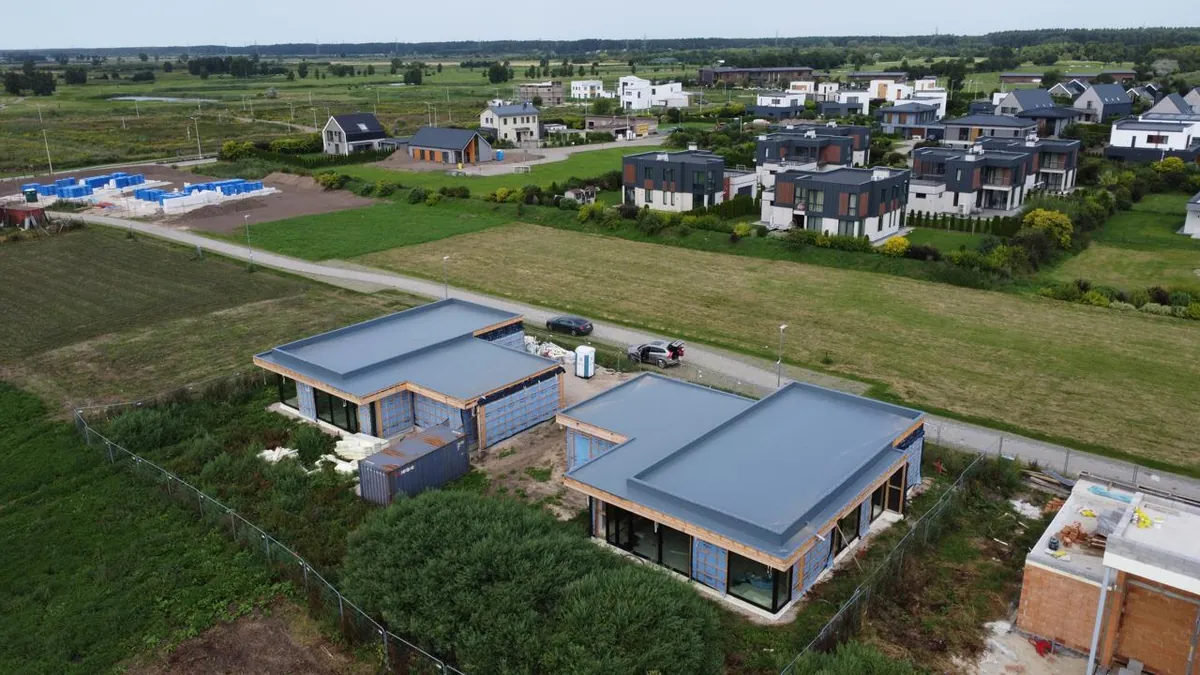
A modular home arrives ready-made; timber panels are assembled into a house on site. Modules may already contain windows, doors, wiring, plumbing and finished interiors. For a panel home, the factory makes the walls, floors and roof elements, which become a building once assembled on your plot.
Delivery determines the dimensions of the house
The plot needs access for the lorry carrying the module and the crane lifting it onto the foundations. Transported modules have maximum dimensions of 4.5 m wide and 12 m long. Tight bends, gates, trees, bridges and overhead cables all need checking before you order. A house on a trailer does not make a U-turn quite like a car.
How does the price differ
A modular home usually costs less because most work is completed at the factory, leaving installation and connections for the site. Timber panel homes need more on-site assembly and labour. Compare quotes with the same finishes, heating, ventilation, delivery and installation. Otherwise you could be comparing a finished home with little more than its skeleton.
Which one to choose
If a delivery lorry can reach the plot and the design fits the transport dimensions, a modular home is usually the simpler and cheaper option. It arrives almost finished, reducing site work and installation time.
Choose timber panels when a lorry carrying whole modules cannot reach the plot, or when the house is too large or unusually shaped to build and deliver as finished modules. Separate panels can reach sites where an entire room on a trailer simply cannot.

We compare Latvia's leading modular home manufacturers.