How does a modular home work?
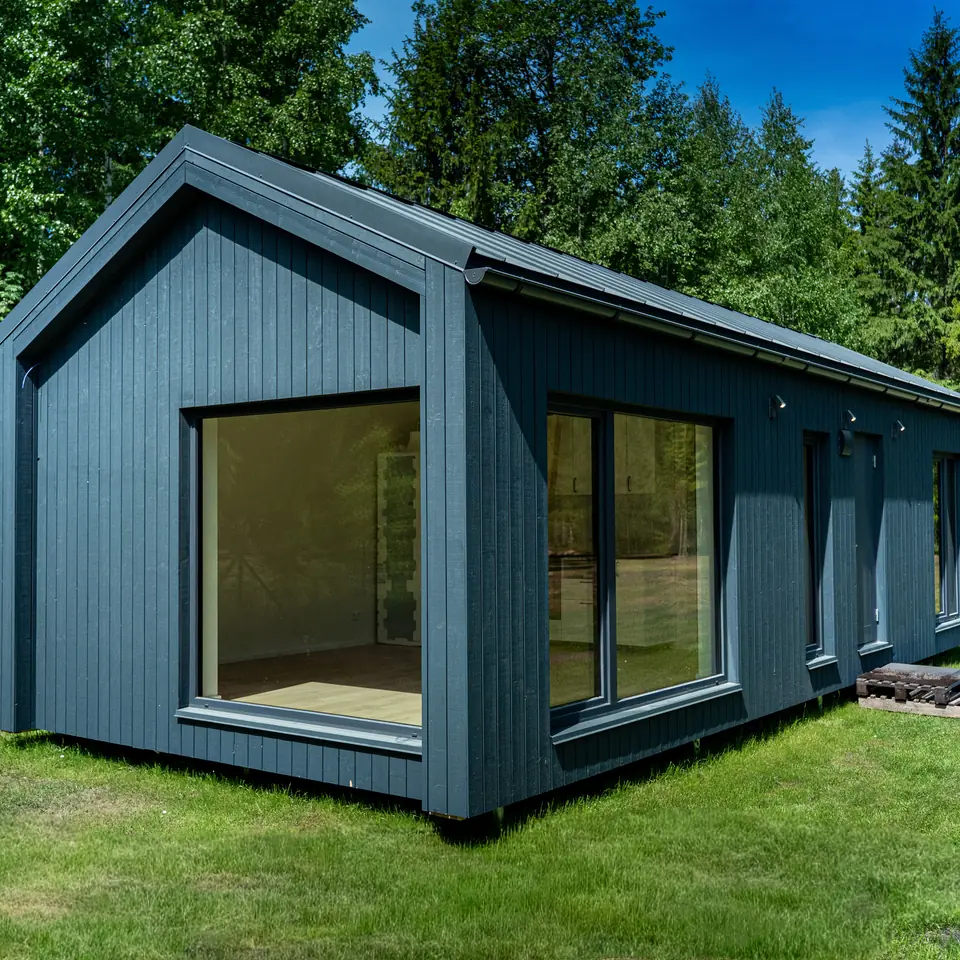
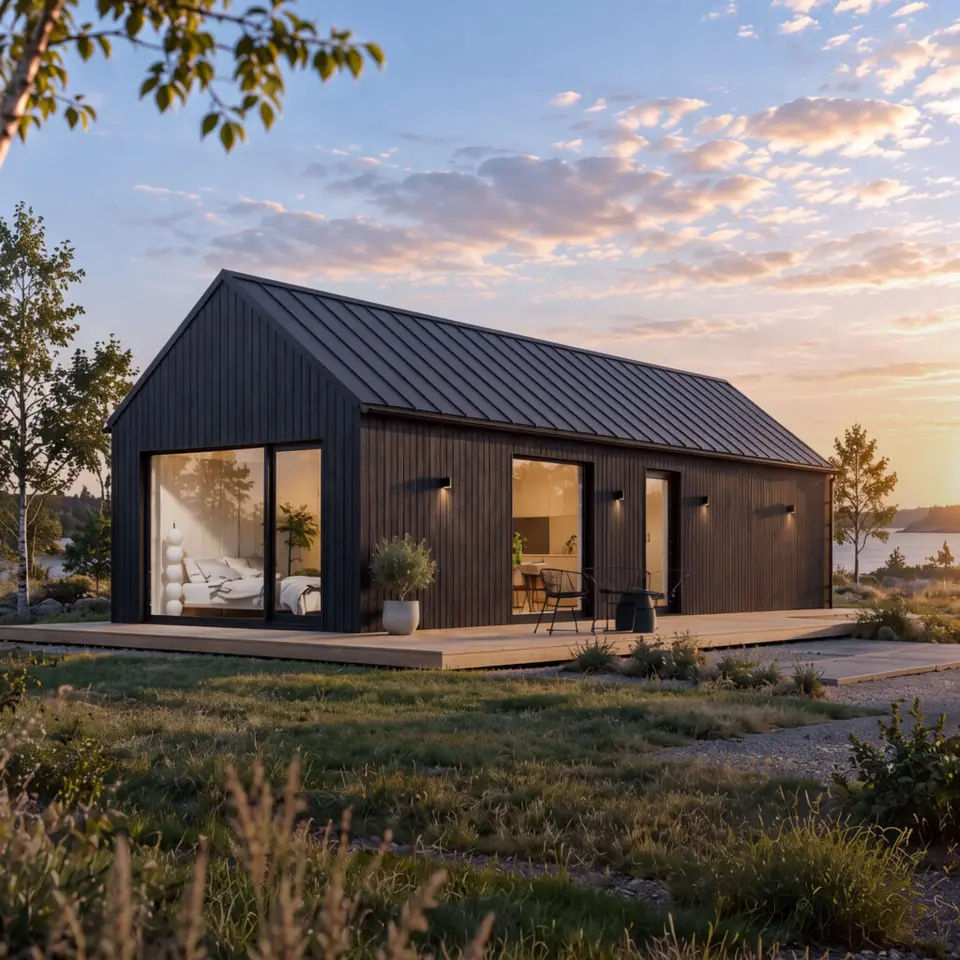
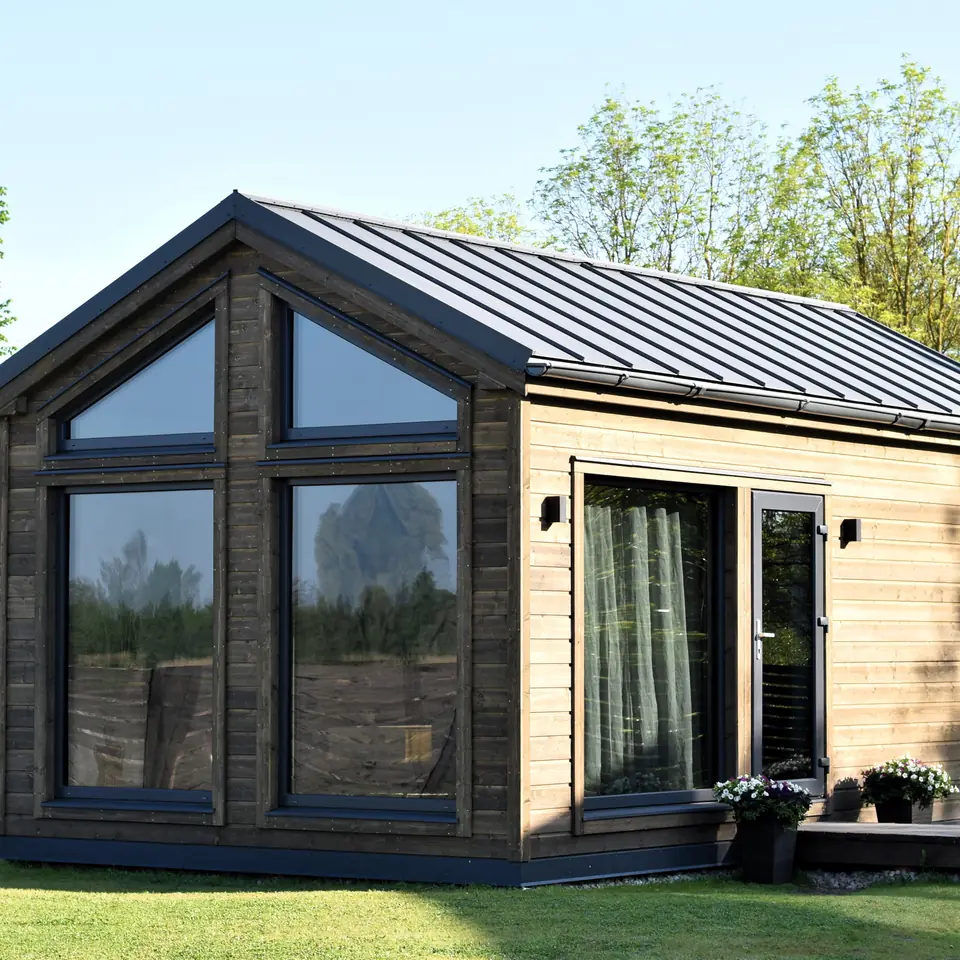
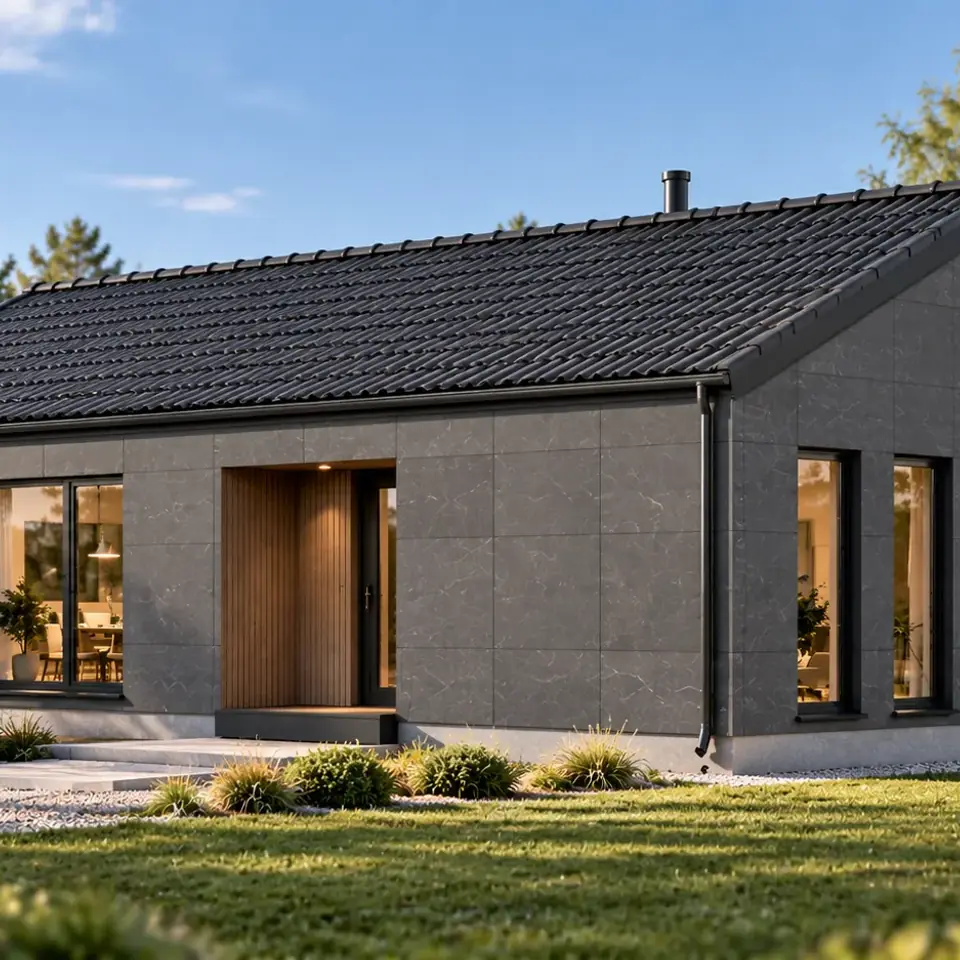
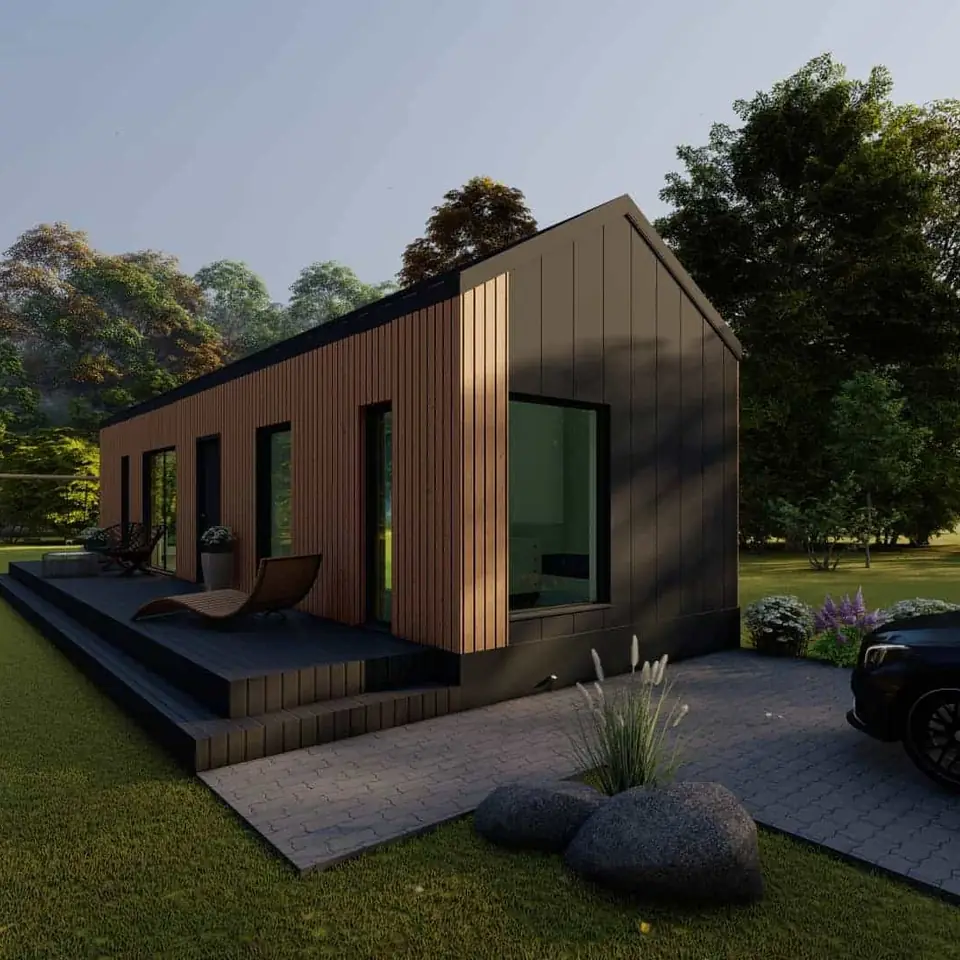
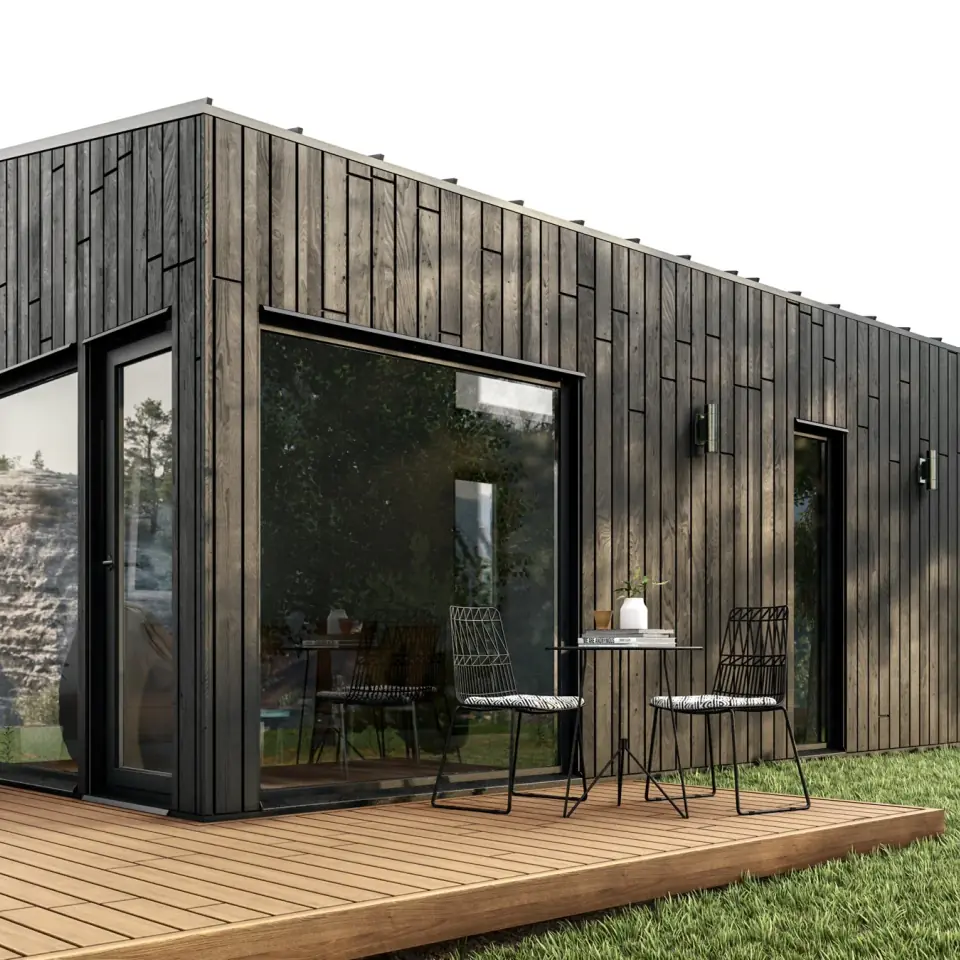
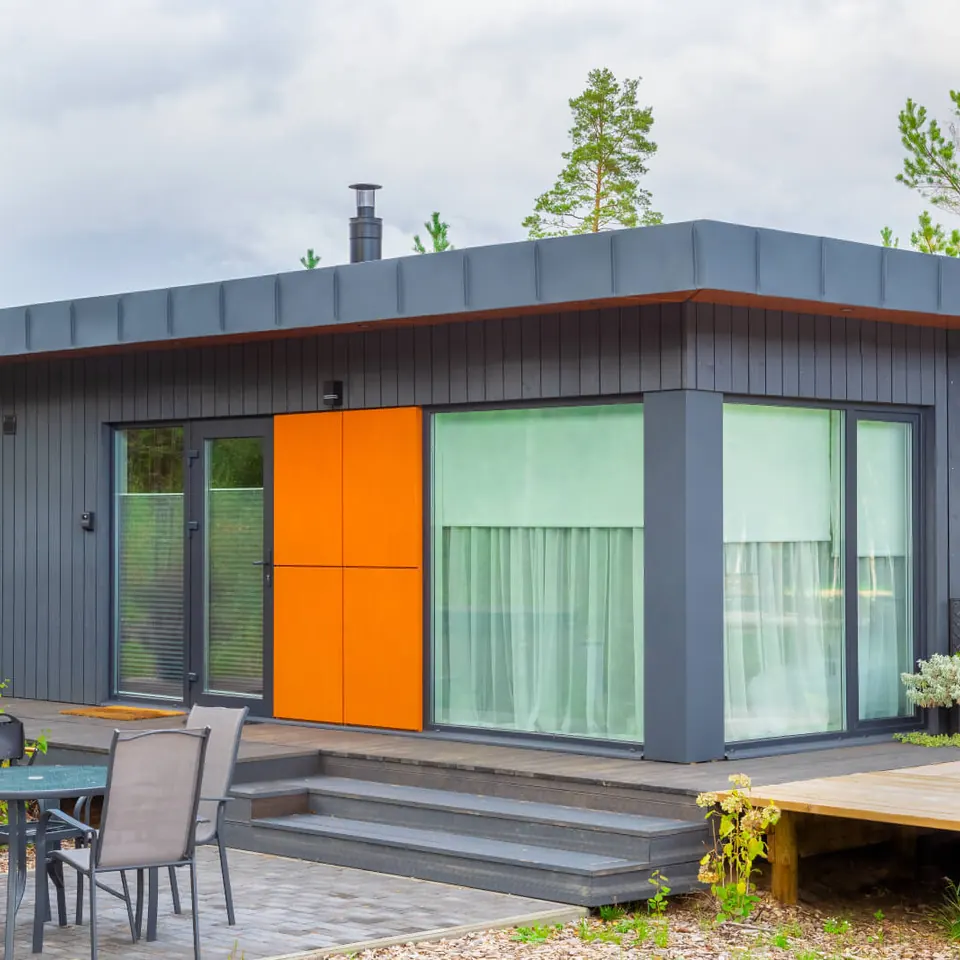
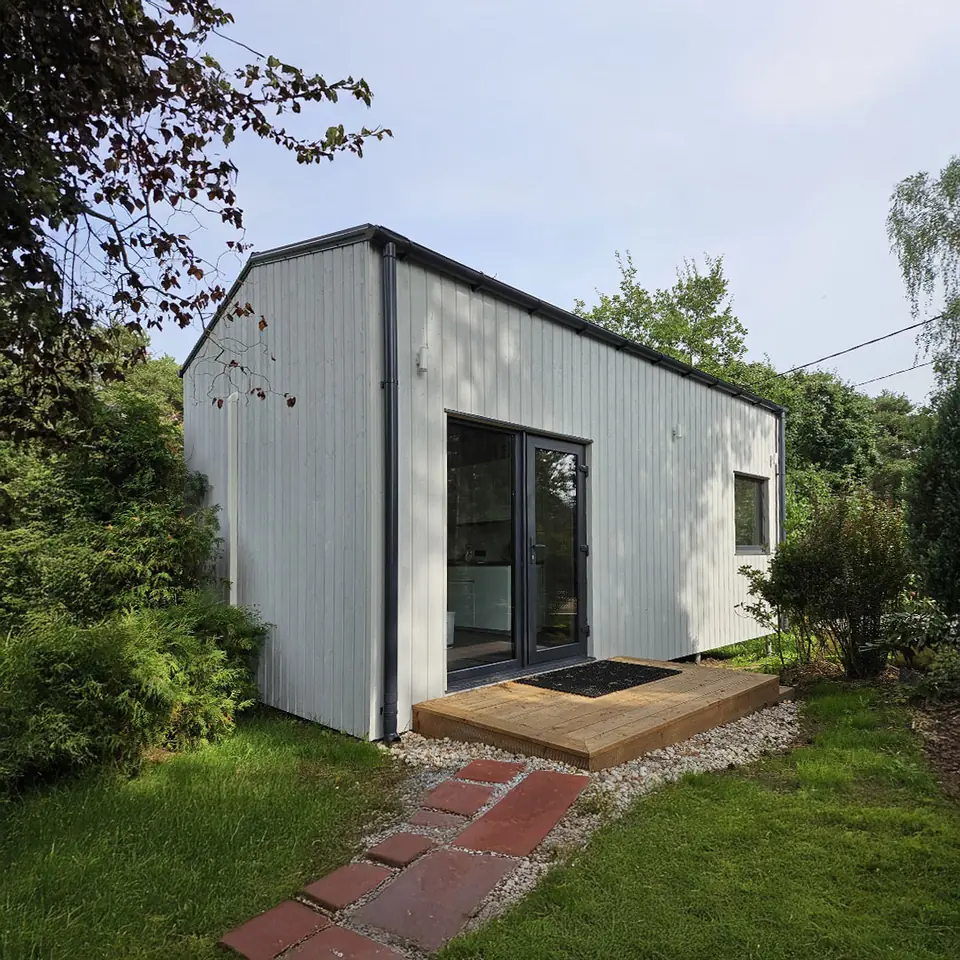
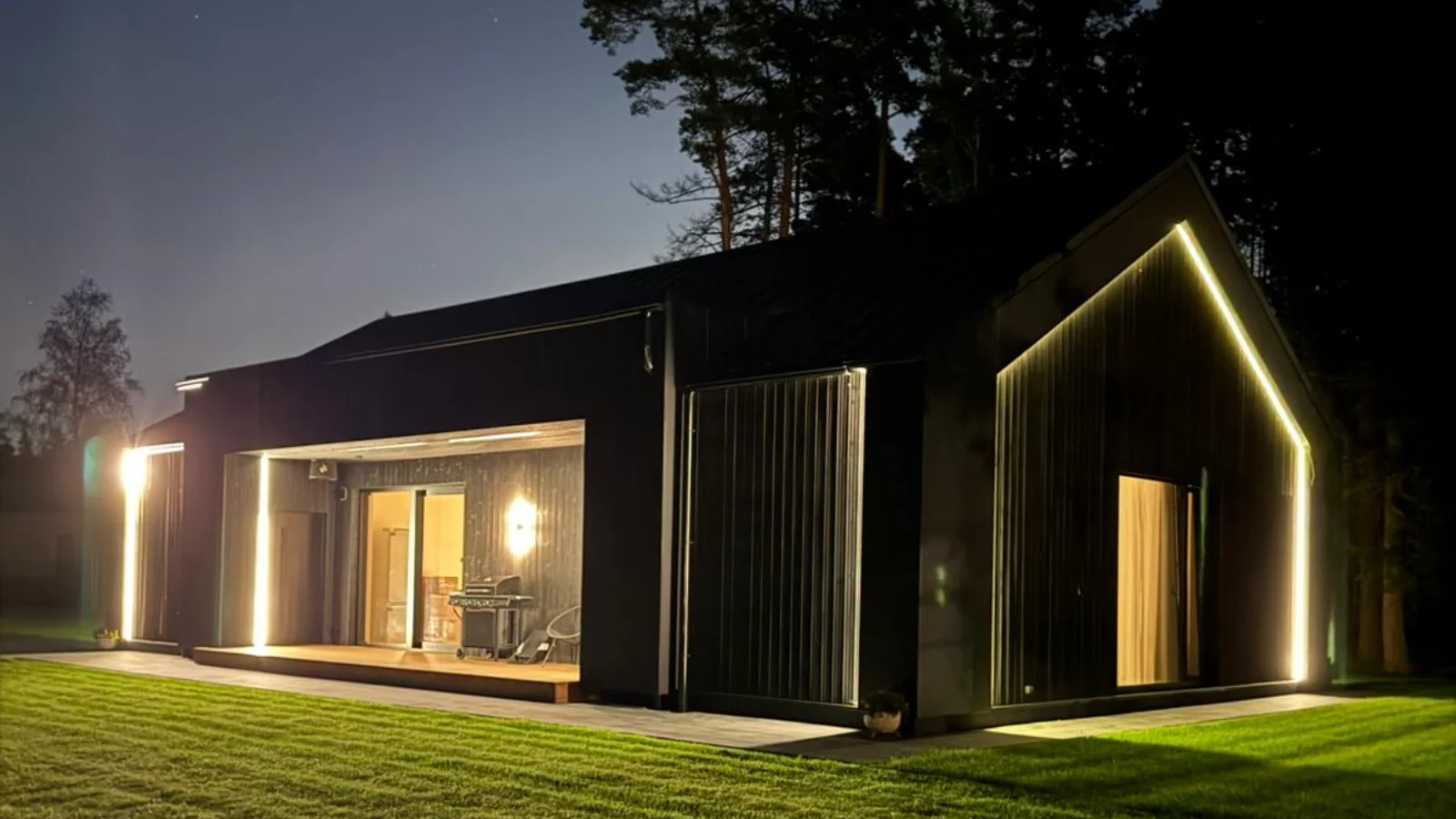
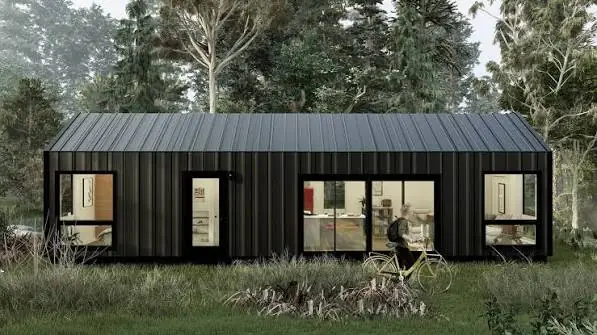
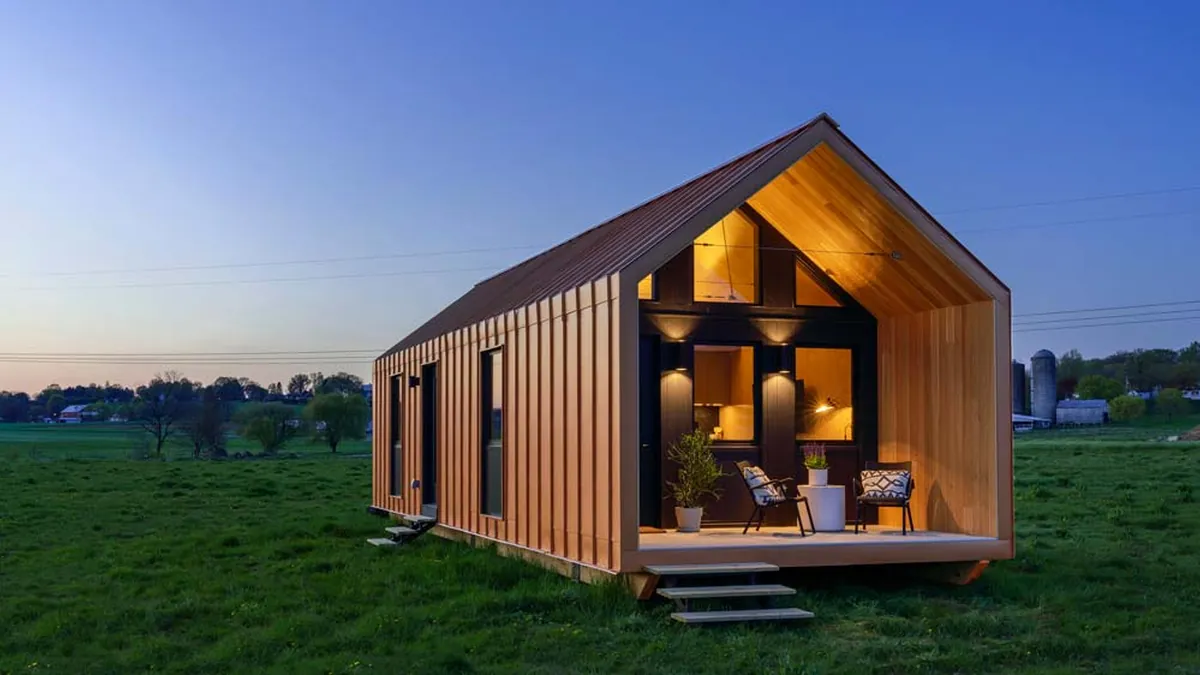
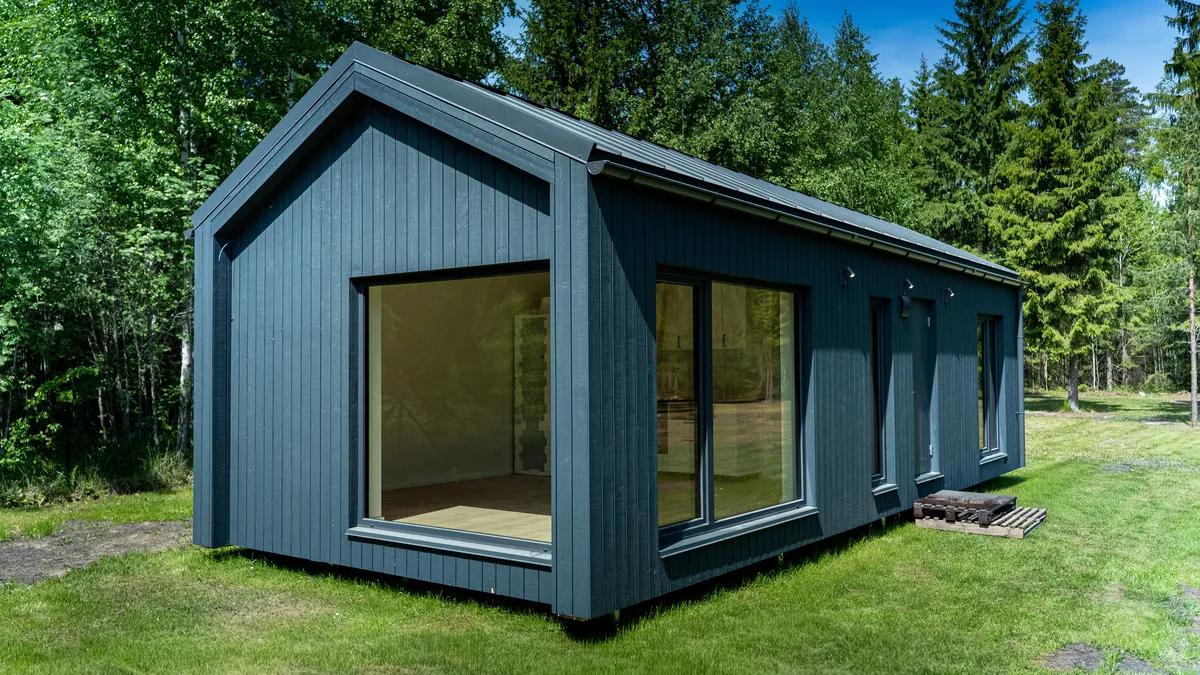
A modular home is a house that arrives on site almost ready to live in. Not quite wearing slippers and holding a cup of coffee, but close.
While a conventional house takes shape on site over several months, a modular home is built indoors, under a roof and out of the rain. There is less room for the familiar 'probably won't make it today' excuse. Windows, walls, wiring and plumbing are fitted at the factory, often along with the interior finishes.
Then comes the interesting part: the finished modules are loaded onto a lorry, delivered to your plot and lifted together by crane. It can look more like a LEGO set for grown-ups than a conventional building site.
Most of the building work happens before the house gets to your plot. Your modular home is already built by the time it sees its new address.
Modular homes and timber panel homes: the difference
The difference is simple. A module arrives as an almost finished room; a panel arrives as a large section of wall, floor or roof. A modular bathroom may already have its tiles and basin. The modules need positioning, joining and connecting to utilities. Delivery day can be quite a sight: your house spends a short time hanging above the garden.
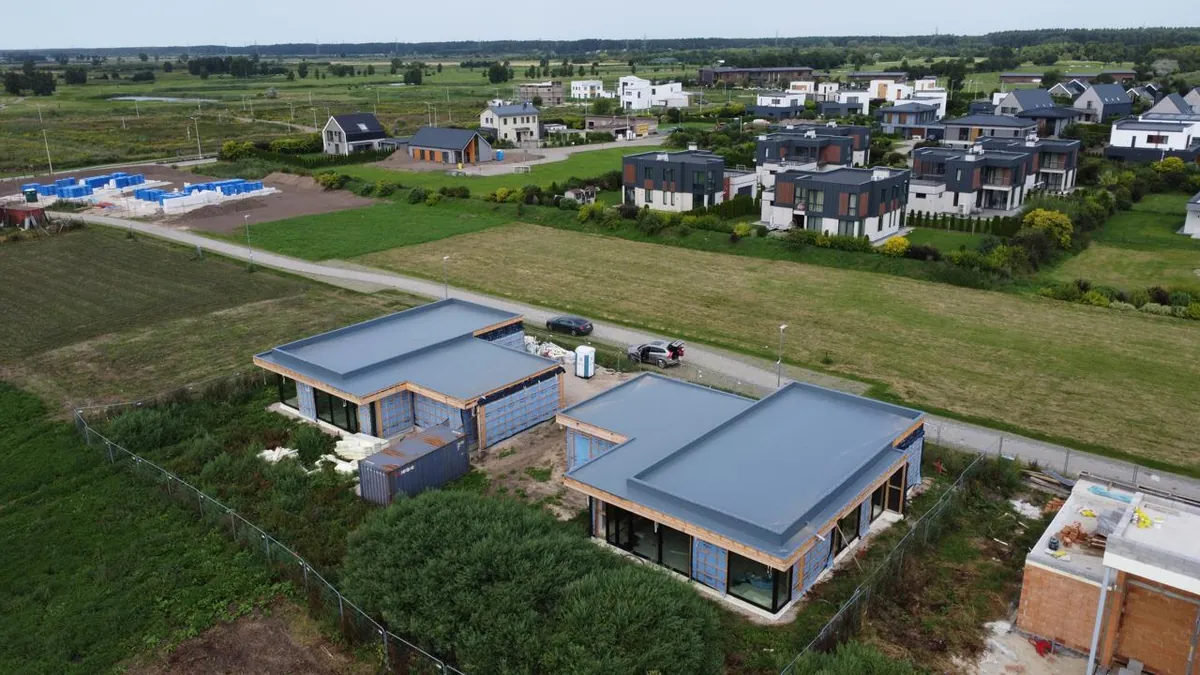
Timber wall and floor panels are factory-made too, but the house is assembled on your plot. That gives more freedom with dimensions and layouts because there is no whole room to take down the motorway. It also means more work on site and a greater dependence on the weather.
Modular houseMore done in the factoryShorter on-site assembly timeLorry and crane access need planning
Timber panel homeThe panels are assembled on the plotMore flexible building dimensions and shapeMore work is carried out on site
Which is better depends on your home and plot. Modules often suit a compact house with easy road access. Timber panels can offer more freedom for a larger family home or unusual layout. And road access really matters: a module will not get narrower on a bend, however determined the driver is.
What goes into a modular home's price?
Compare modular house prices for the same specification →
Modular home prices can work like low-cost flights: the first figure looks great, then you start adding the rest. One manufacturer's price covers a structure with windows; another includes an almost finished interior. Similar totals can buy very different things.
The full budget may include design, approvals, foundations, the house, delivery, crane hire, installation, utilities and landscaping. Check VAT as well. If a quote looks unusually cheap, the missing costs may simply be waiting on the next page.
Give each manufacturer the same brief: plot address, floor area, number of rooms, heating and how finished you want the home to be. Then compare what each price actually buys, as well as what it leaves for you to arrange.
How a modular home is built
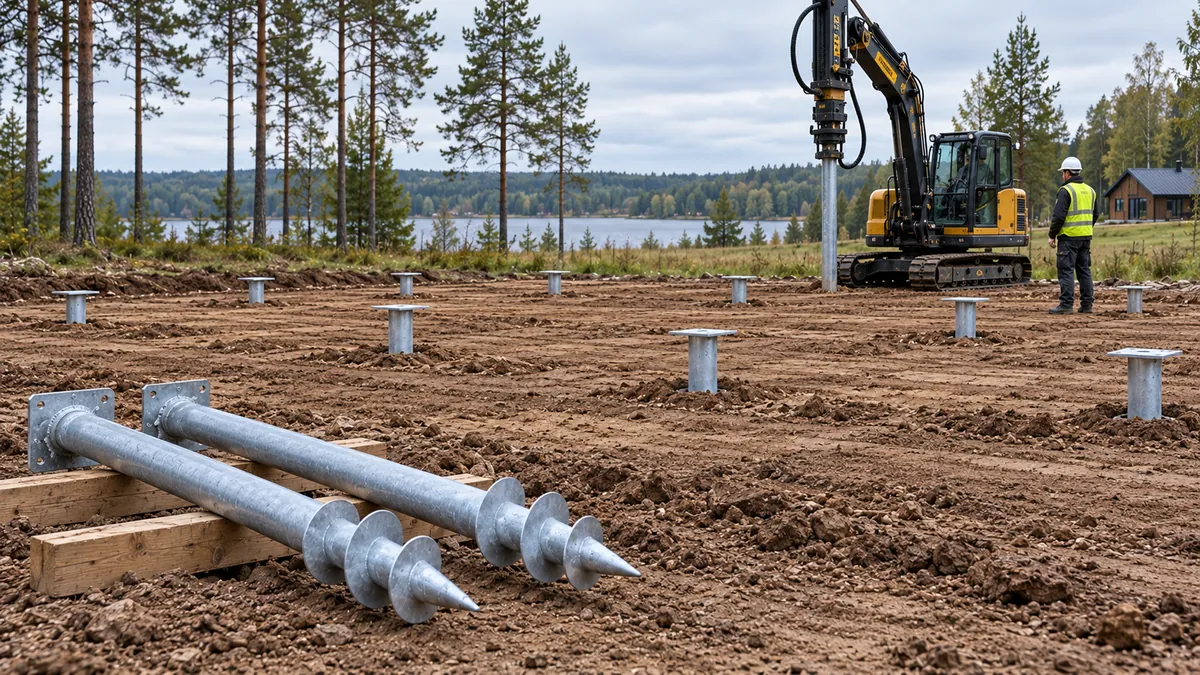
Start with a standard model or a bespoke layout. The design is then adapted to your plot, the paperwork prepared and foundations chosen. Site preparation and utility work can happen while the home is being built at the factory. Doing both at once can save a useful chunk of time.
Once the modules are ready, delivery needs careful planning. Check road width, tight bends, overhead lines, branches and space for the crane. 'It will probably fit' is not much of a transport plan. After delivery, the modules are joined, utilities connected, remaining finishes completed and paperwork finalised.
A good quote makes the division of work clear. Knowing exactly what you need to arrange makes it much easier to avoid unexpected bills later.
Can you live in a modular house in Latvian winter?
What should you know about a year-round modular house?
Yes. 'Modular' describes how the home is built, not the season you can use it. A permanent home needs proper insulation, airtight construction, heating and ventilation. Even a brick house feels miserable in February if 'that should do' was the building standard.
Ask for wall, roof and floor build-ups, thermal calculations, window specifications and the ventilation design. Find out how the joints between modules are insulated. Those questions tell you much more than 'will it be warm?' No salesperson is likely to answer that with 'bring a thick jumper'.
Who is a modular home a good choice for?
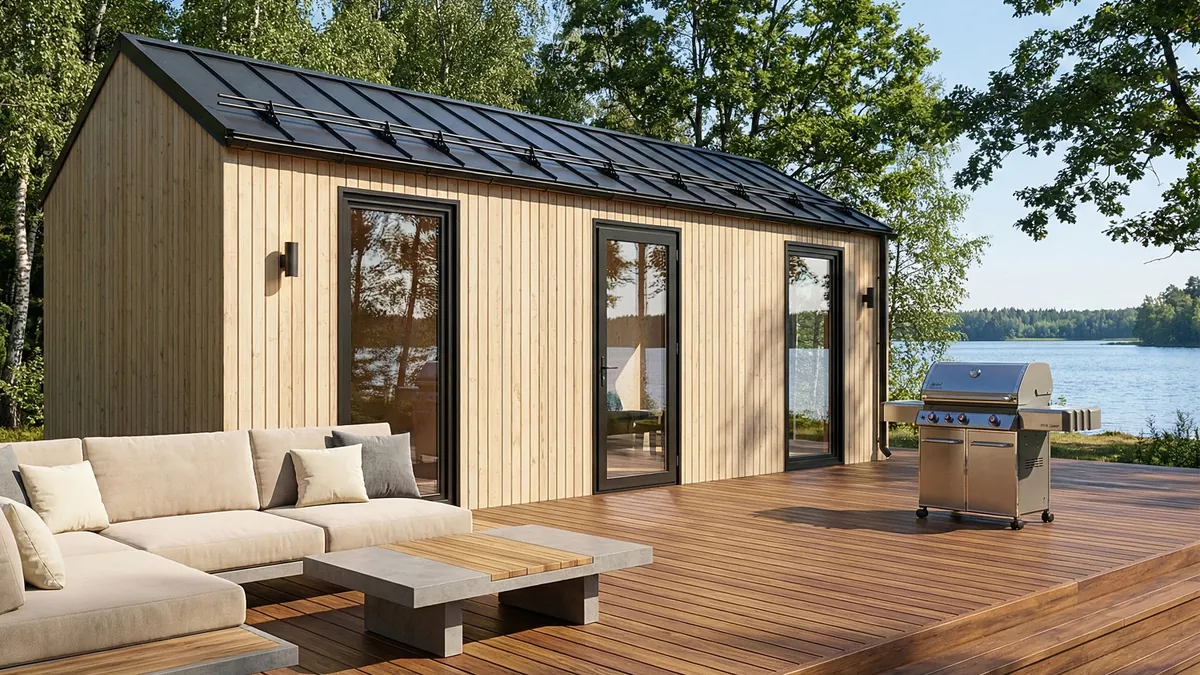
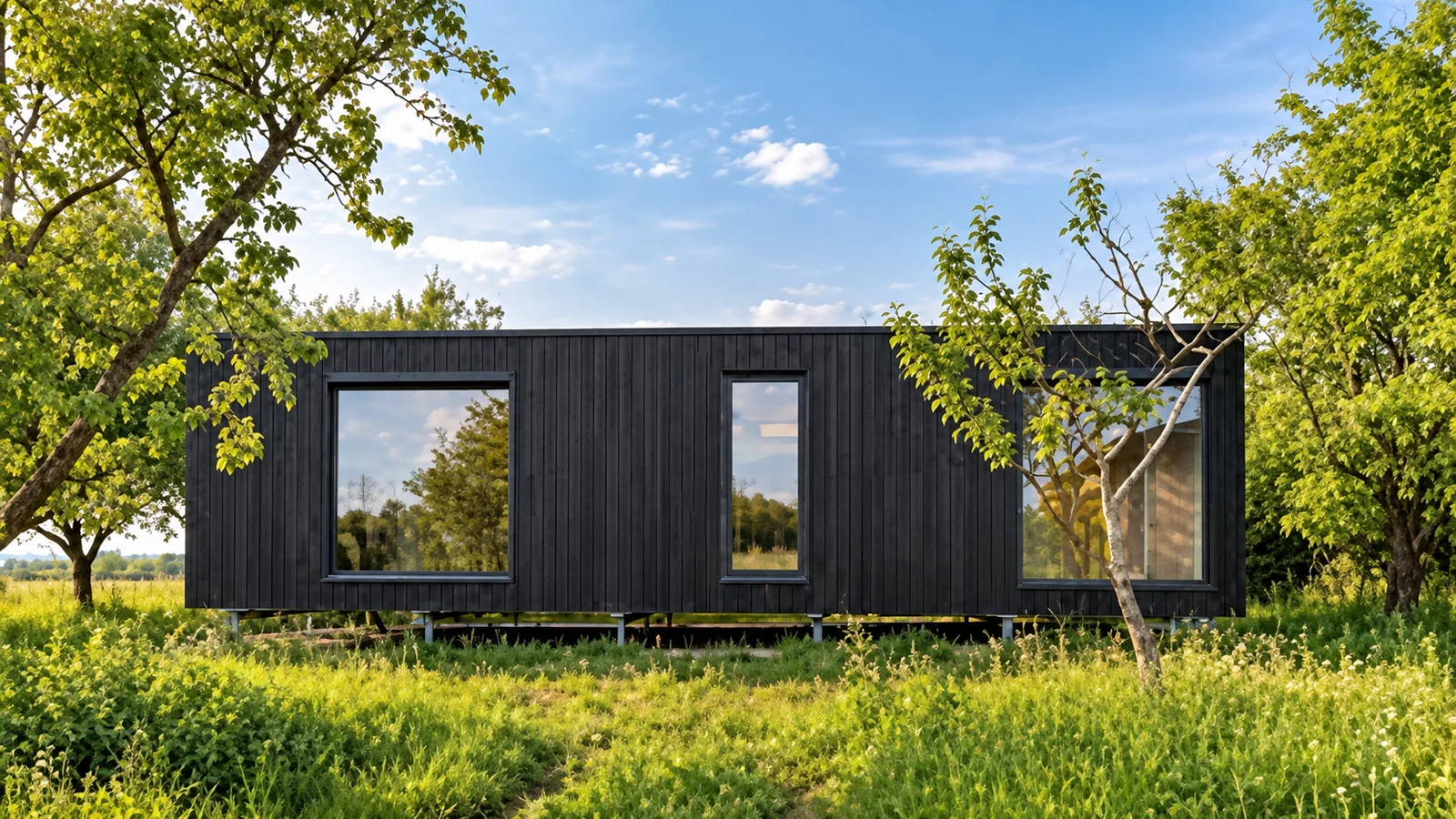
Modular homes suit people who want a more predictable build, quick installation and fewer separate trades to coordinate. The result can be a weekend retreat, a first home or a family house made from several modules. What matters is how the particular design fits your plot, budget and daily life.
Before signing, take your time walking through at least one completed home. Look beyond the camera-friendly corners: check module joints, window openings, the utility room and floor edges. A lovely facade is nice. A level floor and doors that stay shut are even nicer to live with.